
Struga is home to sanctuaries that embody centuries of faith, artistry, and community. These sites are not only places of worship but also cultural landmarks that reveal the city’s spiritual depth.
Orthodox churches, mosques and a Sufi lodge stand within a short walk of one another, a reflection of the communities that have lived side by side here for generations. Just outside town, cave churches and a lakeside monastery add a quieter, more contemplative side to a visit.
⛪ Church of St. George (Sv. Gjorgji)
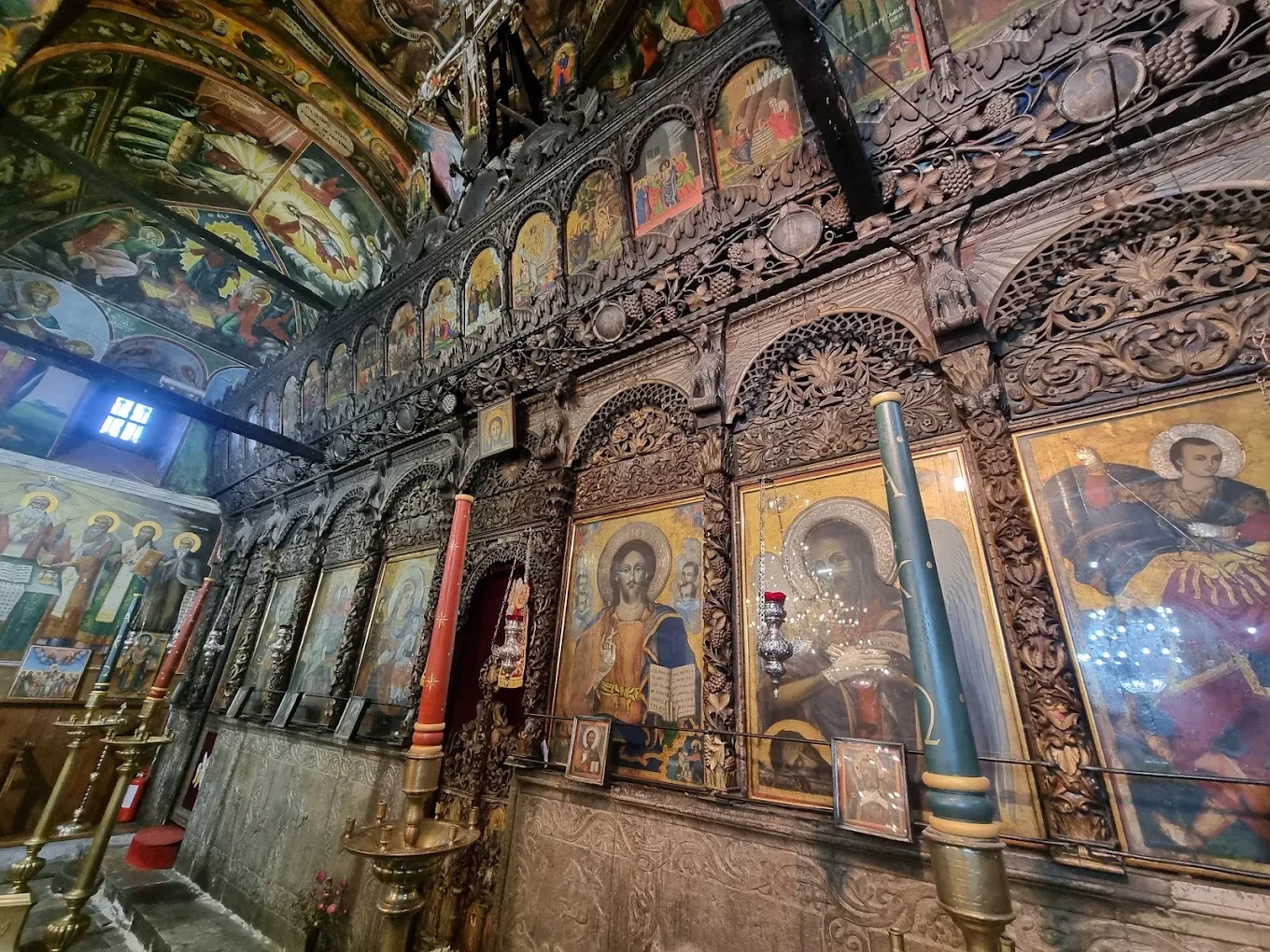
Built in 1835 on the site of an earlier church, St. George is a fine example of revival-period architecture and the most important Orthodox church in the town centre. Its icon collection spans the 13th to the 19th centuries.
The treasure of the church is the icon of St. George dated 1267, considered one of the most beautiful works of medieval icon painting in Macedonia. Other old icons were rediscovered in the attic during later reconstruction work. Step inside quietly, let your eyes adjust to the soft light, and take time with the details of faces, gold and colour.
🏞 Kališta Monastery & the cave churches
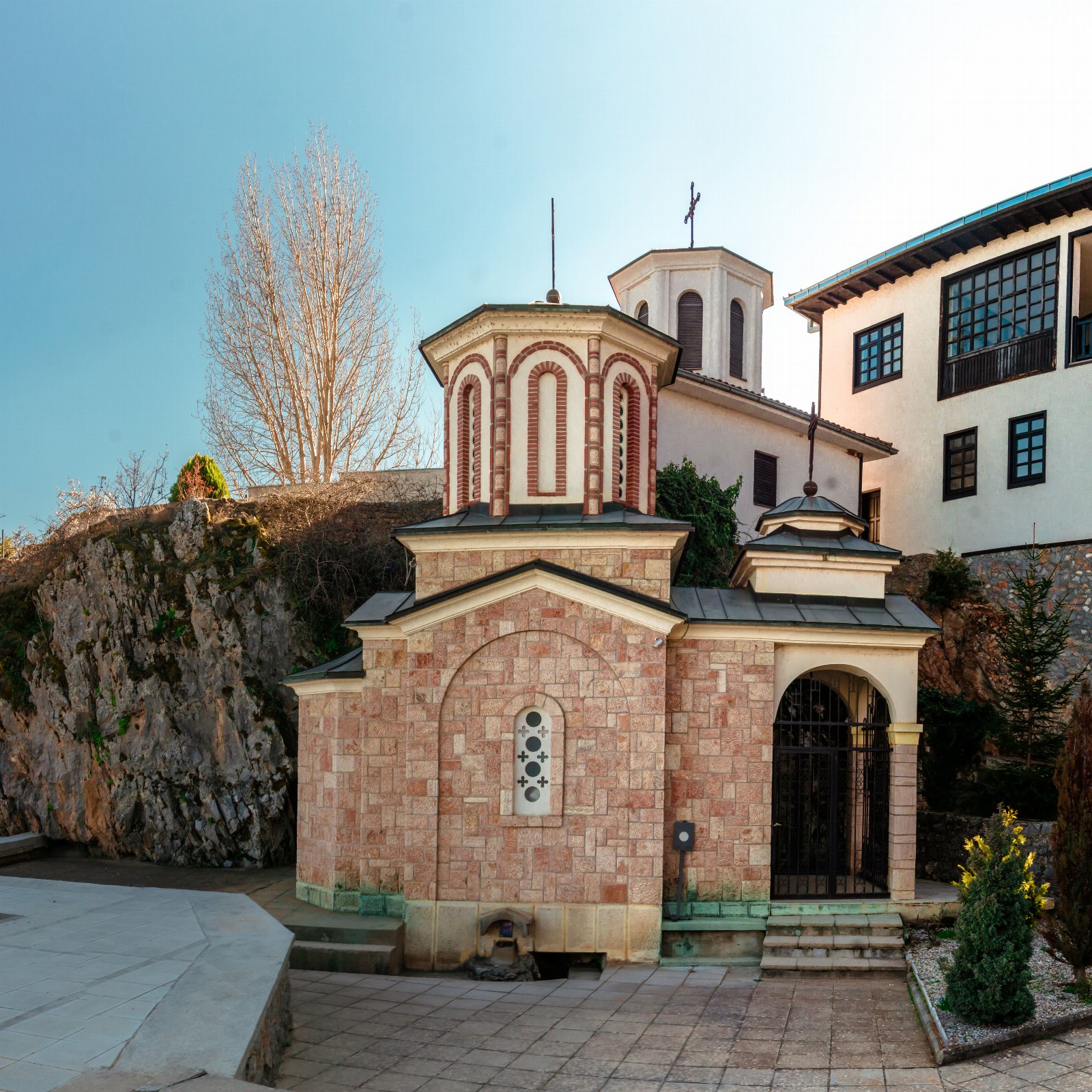
A few kilometres from the centre, the Monastery of Kališta sits right on the shore of Lake Ohrid. It is known for its cave church and frescoes, set into the rock above the water. A little to the south, another small cave church dedicated to St. Athanasius nestles against the cliffs.
Further along the shore, the fishing village of Radožda has the lakeside Church of St. Nicholas, with medieval frescoes and serene surroundings, and a medieval cave church dedicated to St. Archangel Michael. Combine them for a peaceful half-day by the lake, with lunch of fresh fish in the village.
🕌 Mosques & Tekkes
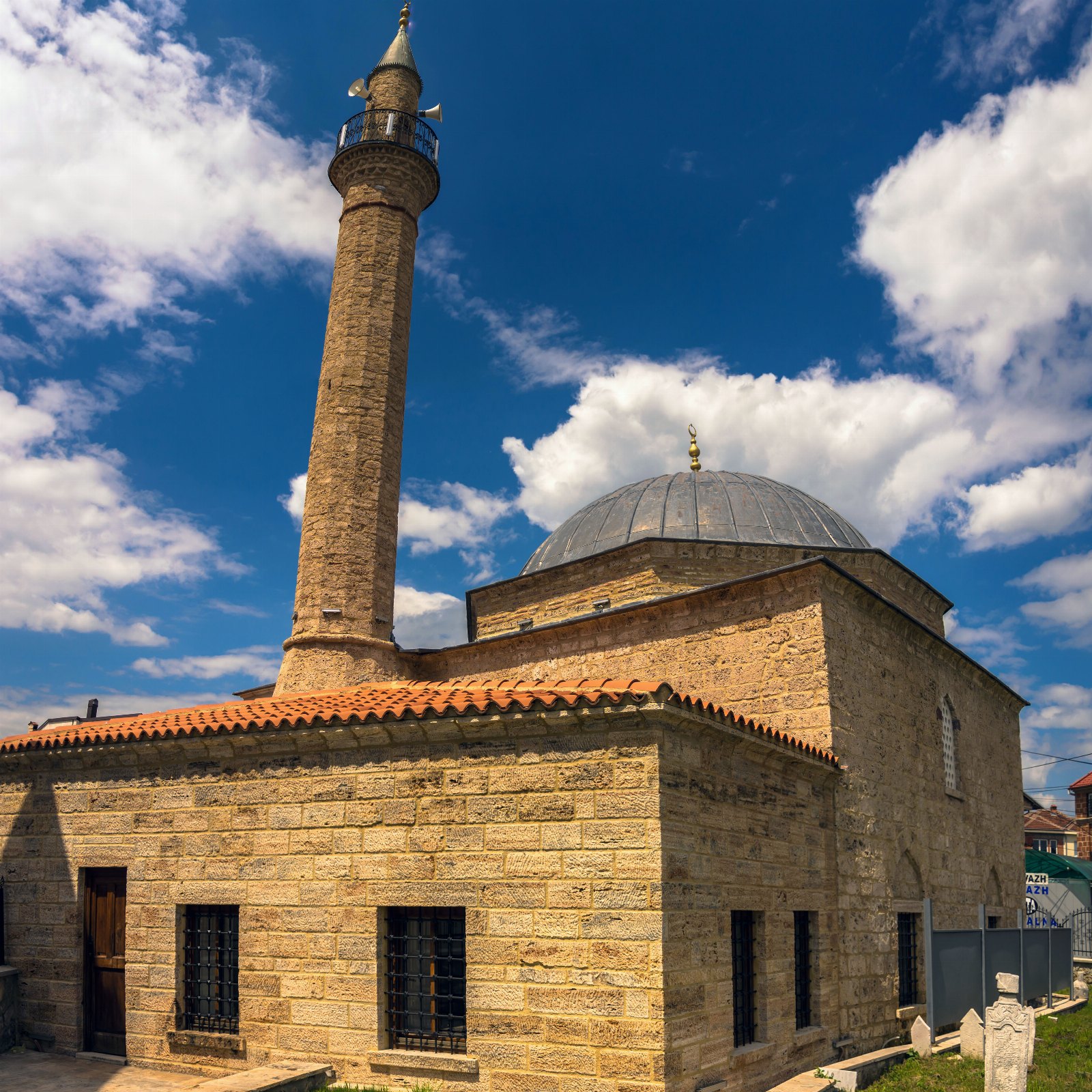
Struga’s Islamic heritage is part of the everyday life of the town. The Halveti Tekke, a 16th‑century dervish lodge that is still active today, represents Struga’s Sufi tradition, while the Mustafa Çelebi Mosque is an Ottoman‑era mosque with distinctive architecture and cultural significance.
Look for the slender stone minarets, the shallow domes and the carved wooden details at doors and windows. Courtyards often hold fountains and old gravestones and are calm places to pause between visits.
✨ Living Traditions
These sanctuaries are not museums—they remain active centers of worship, pilgrimage, and community gatherings. Visitors experience both history and living faith, making Struga’s sanctuaries unique cultural touchstones.
Religious holidays bring the sites to life with services, bells, calls to prayer and families dressed for the occasion. If your visit coincides with one, watch respectfully from the side and enjoy the atmosphere.
🗺 A suggested half-day route
- Start in the old centre: visit the Church of St. George and its icons.
- Walk through the old streets to the mosques and the Halveti Tekke.
- Pause by the Black Drim for a coffee on the promenade.
- Drive to the lake shore: continue to Kališta Monastery and the cave churches, then on to Radožda.
Visiting etiquette
- Dress modestly: cover shoulders and knees. Women may be asked to cover their hair in mosques and the tekke.
- Remove shoes where asked, especially in mosques and the tekke.
- Be quiet and respectful during services and prayer times, and avoid walking in front of people who are praying.
- Ask before taking photographs, especially of icons, frescoes or worshippers; some places do not allow flash or photos at all.
- Check opening times: smaller churches and the tekke may open only at certain hours or for services, so confirm locally before you go.