
Archaeological evidence around Struga reaches from prehistory through the Roman and medieval periods. The wider Lake Ohrid region combines natural and cultural values recognized by UNESCO.
Struga is also the birthplace of the Miladinov brothers and home of the Struga Poetry Evenings, founded in 1961 and later developed into an international festival. Museums, memorial houses, churches, mosques and local traditions tell the story of a multilingual city shaped by the lake and river.
A town of poets
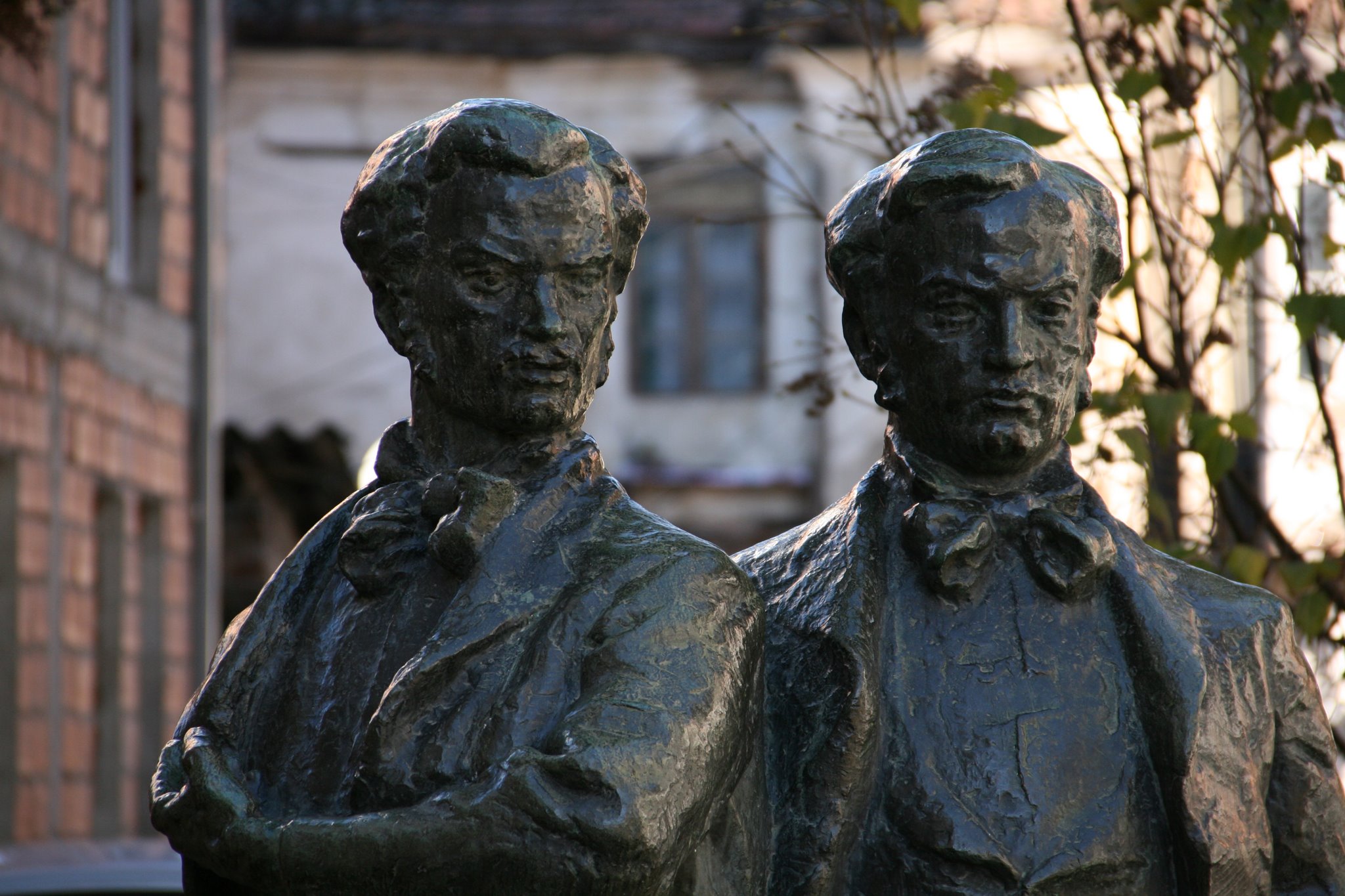
Few small towns can claim such a literary reputation. Struga was the home of the brothers Dimitar and Konstantin Miladinov, who gathered folk songs from across the region and published them in the landmark collection Bulgarian Folk Songs in 1861. Konstantin's poem Longing for the South is still learned by heart by generations of schoolchildren.
Their legacy lives on every summer during the Struga Poetry Evenings. Since 1961 poets from around the world have gathered on the banks of the Black Drim, and the festival's Golden Wreath has been awarded to literary names such as Pablo Neruda, W. H. Auden and Allen Ginsberg. During the festival the whole town turns into a stage: readings on the bridge, in galleries and by the lake, and a poem for everyone who stops to listen.
Where the lake meets the river
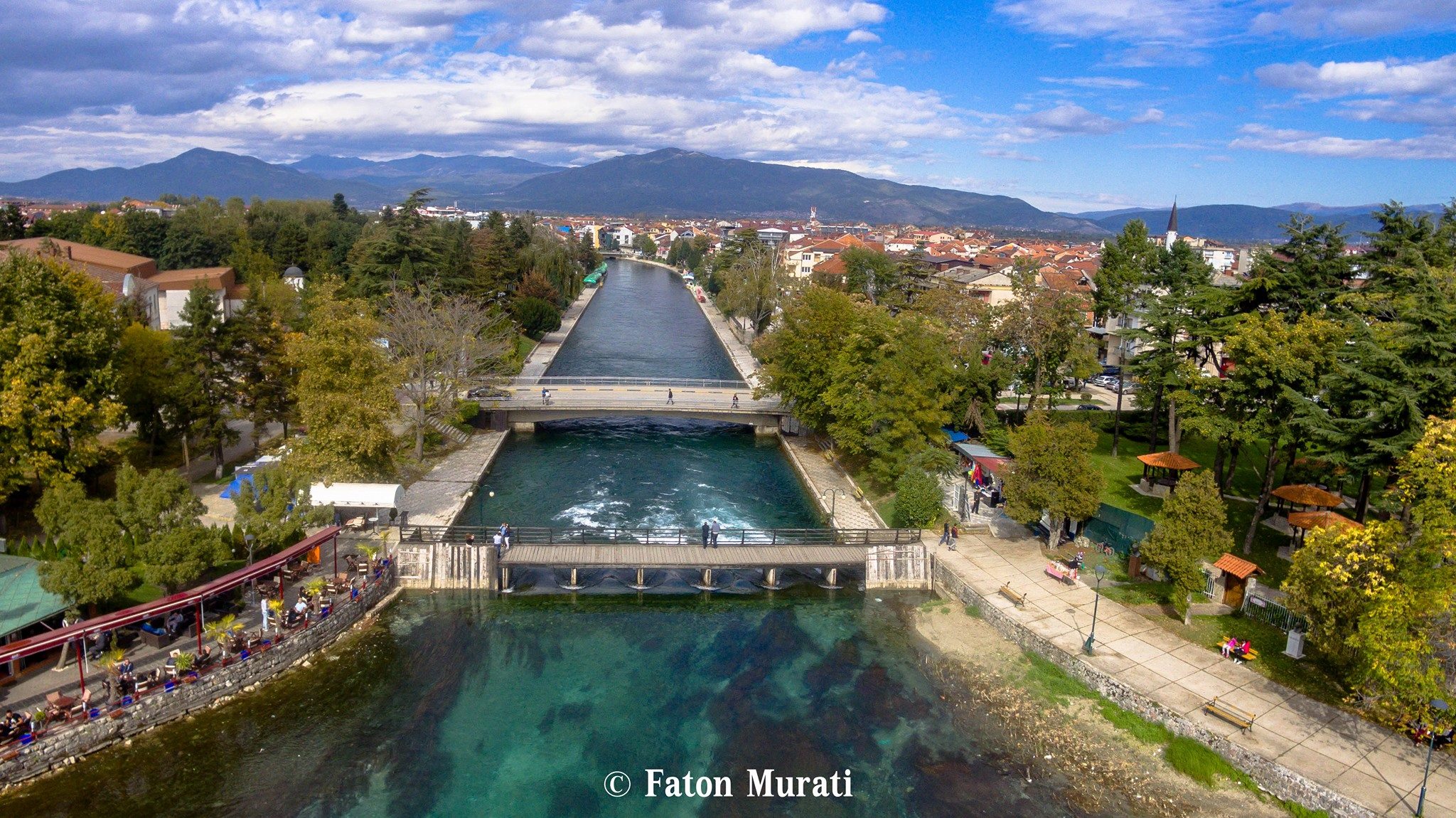
The old centre grew along the Black Drim, which leaves Lake Ohrid right in the middle of Struga. Strolling the riverside promenade, you pass stone bridges, small cafés and quiet corners that have changed little in decades. The wider shoreline of Lake Ohrid has been settled since prehistoric times, and finds from the Roman and medieval periods, including traces of the nearby Via Egnatia trade route, show how important this crossing of lake, river and road has always been.
Churches, mosques and memorial houses
Cultural heritage in Struga is not only found in museums. Orthodox churches with painted interiors, historic mosques, and the old family homes that now serve as memorial houses stand within walking distance of one another, a reminder that Macedonians, Albanians, Turks, Vlachs and Roma have long lived side by side here. Take your time inside: the frescoes, wood carving and quiet courtyards are part of the story.
- Visit the memorial house and monument of the Miladinov brothers.
- Browse local museums and galleries for archaeology, ethnography and art.
- Look for old craft shops and workshops in the town centre and nearby villages.
- Walk the riverside to see how the town is built around the water.
Living traditions
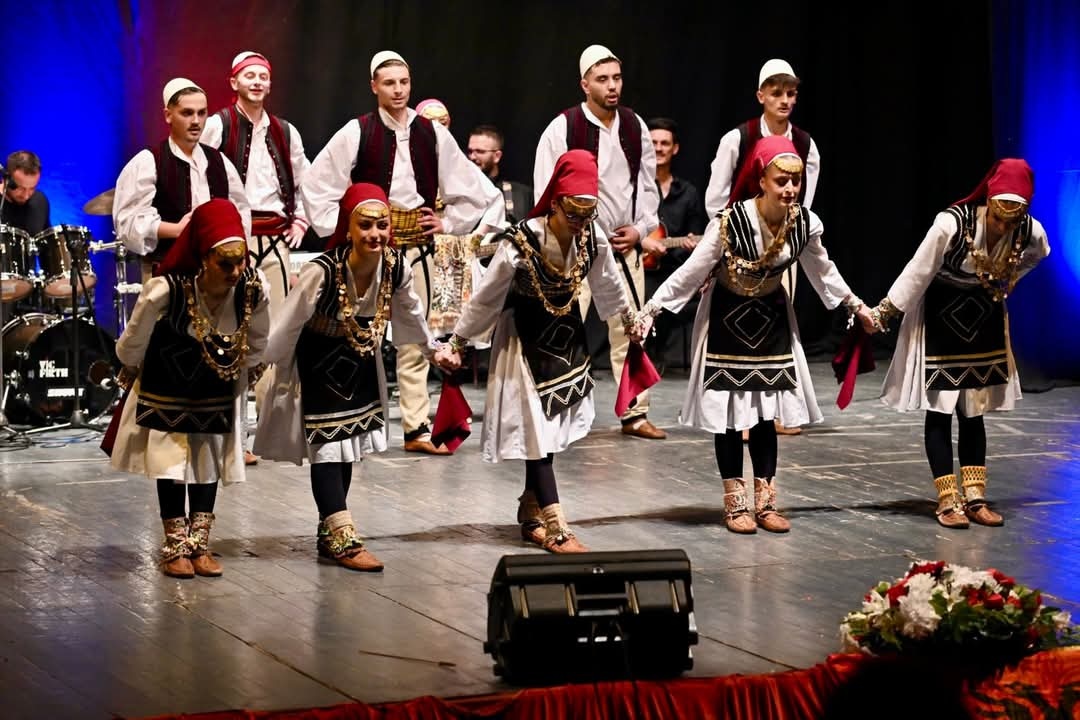
Heritage here is also something you can hear, taste and join in. Folk dance ensembles perform in traditional costume at festivals and local celebrations, songs are passed on in several languages, and family recipes for lake fish, fresh bread and sweet pastries are still cooked the way grandparents made them.
Planning your visit
The best time for culture lovers is summer, when the Poetry Evenings (check the dates each year) fill the town with readings, concerts and exhibitions. Outside the festival, spring and early autumn are pleasant for walking the old centre at a relaxed pace. Most sights are close together, so a single day on foot is enough to see the main highlights; add a second day to explore museums, villages and the lakeshore.