
Old Crafts of Struga
Living Heritage of the City
Struga preserves a wealth of traditional crafts, once essential to everyday life and now treasured as cultural heritage. These crafts embody centuries of skill, creativity, and identity, offering visitors authentic encounters with the past.
Struga grew into a market town in the 17th and 18th centuries, when trade along the lake and river created a lively class of merchants and craftsmen. Workshops lined the old bazaar, and each trade had its own street corner, its own tools and its own family secrets passed from father to son.
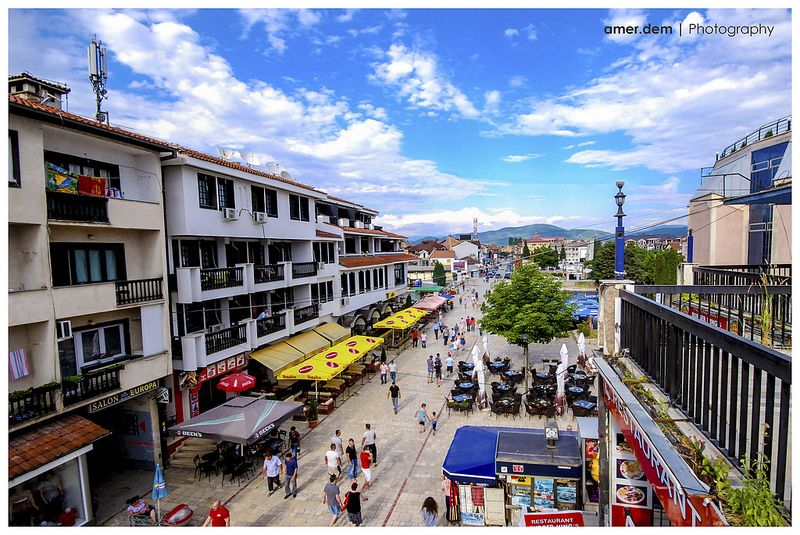
🏪 The Old Bazaar
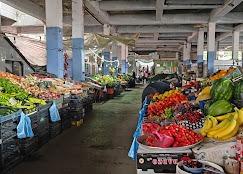
The Old Bazaar (Struška čaršija) is a long, straight street in the heart of town that ends at a busy market. Today you will find more cafés than workshops, but a few craft shops and small eateries still keep the old atmosphere alive. Walk it slowly: look for old shop fronts, wooden shutters and the occasional craftsman still at work behind the counter.
💍 Filigree & Silversmiths
The Ohrid–Struga region is known for its silver filigree: fine threads of silver twisted and soldered into delicate jewellery, a skill that some jewellers’ families have kept for generations. Struga also had a long tradition of silversmiths, whose work once adorned costumes, belts and wedding jewellery. A filigree piece makes a beautiful, authentic souvenir.
👞 Shoemakers
Masters of leatherwork who create the traditional opingas, once worn daily across the region. Made from a single piece of leather and tied with straps, they were practical for village life and are still worn today with folk costumes at festivals.
🎩 Wool Hat Weavers
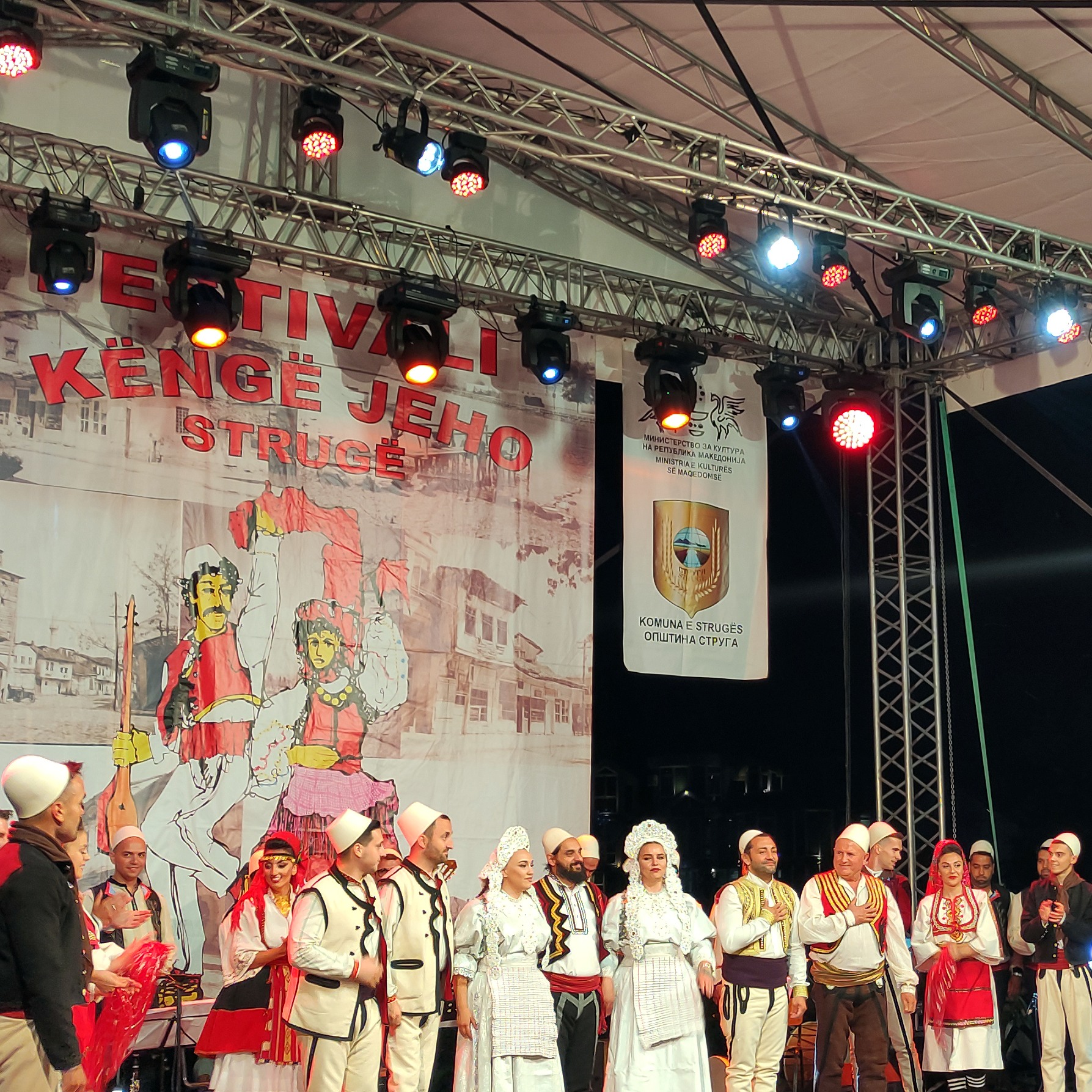
Artisans who weave the iconic qeleshe, a symbol of Albanian identity and folk tradition. The white felt cap is shaped by hand from wool, and its form and height can hint at the region its wearer comes from.
You will see qeleshe proudly worn by singers and dancers at local festivals such as Këngë Jeho, and older men in the villages still wear them on special occasions. A qeleshe is one of the most recognisable souvenirs of the region.
🔔 Copper Workers
Craftsmen producing cauldrons, utensils, and decorative items from copper, blending utility with artistry. Hammered copper pots, trays and coffee sets were once found in every home, and well-made pieces were handed down through families.
👗 Traditional Tailors
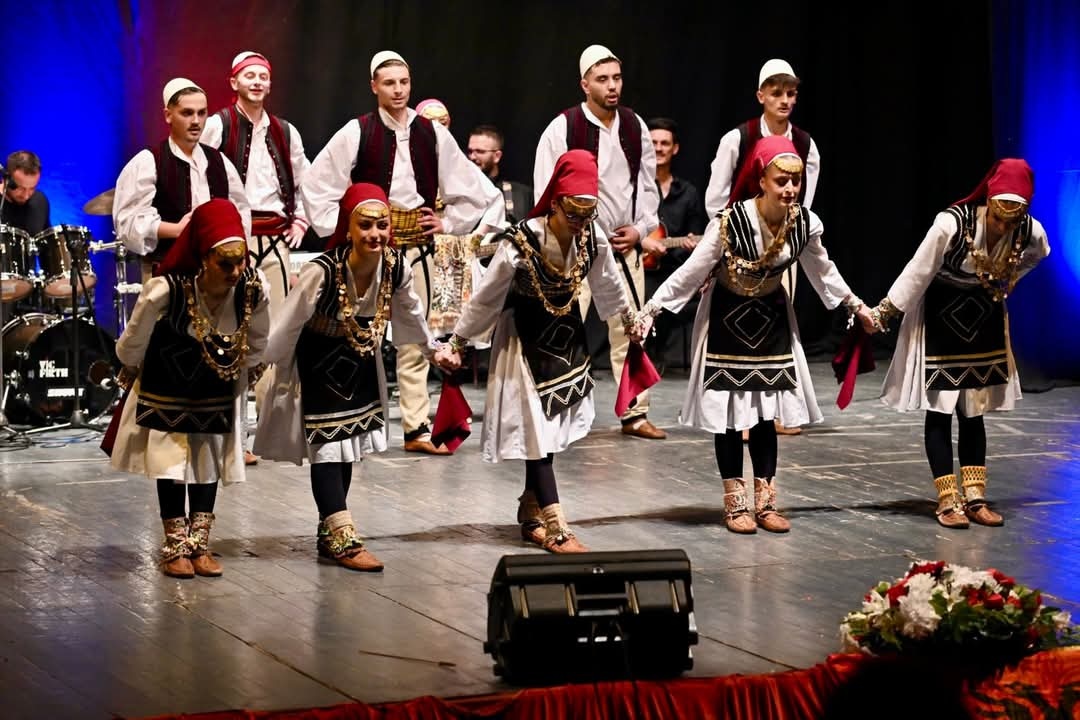
Keepers of the skill of folk costume making, sewing garments rich in embroidery and symbolism. Every stitch, colour and pattern can tell where a costume comes from, whether its wearer was married, and on which occasion it was worn.
Today, tailors and embroiderers work mainly for folk ensembles and festivals, keeping costumes alive on stage. Look closely at the sleeves, aprons and waistcoats, where the finest needlework is usually found.
🎶 Musical Instrument Makers
Creators of çifteli, flutes, and drums, sustaining the sounds of traditional music. The two-stringed çifteli, carved from a single piece of wood, gives Albanian folk songs their distinctive sound, while drums and shepherd’s flutes set the rhythm for dances at weddings and festivals.
🌲 Woodcarvers
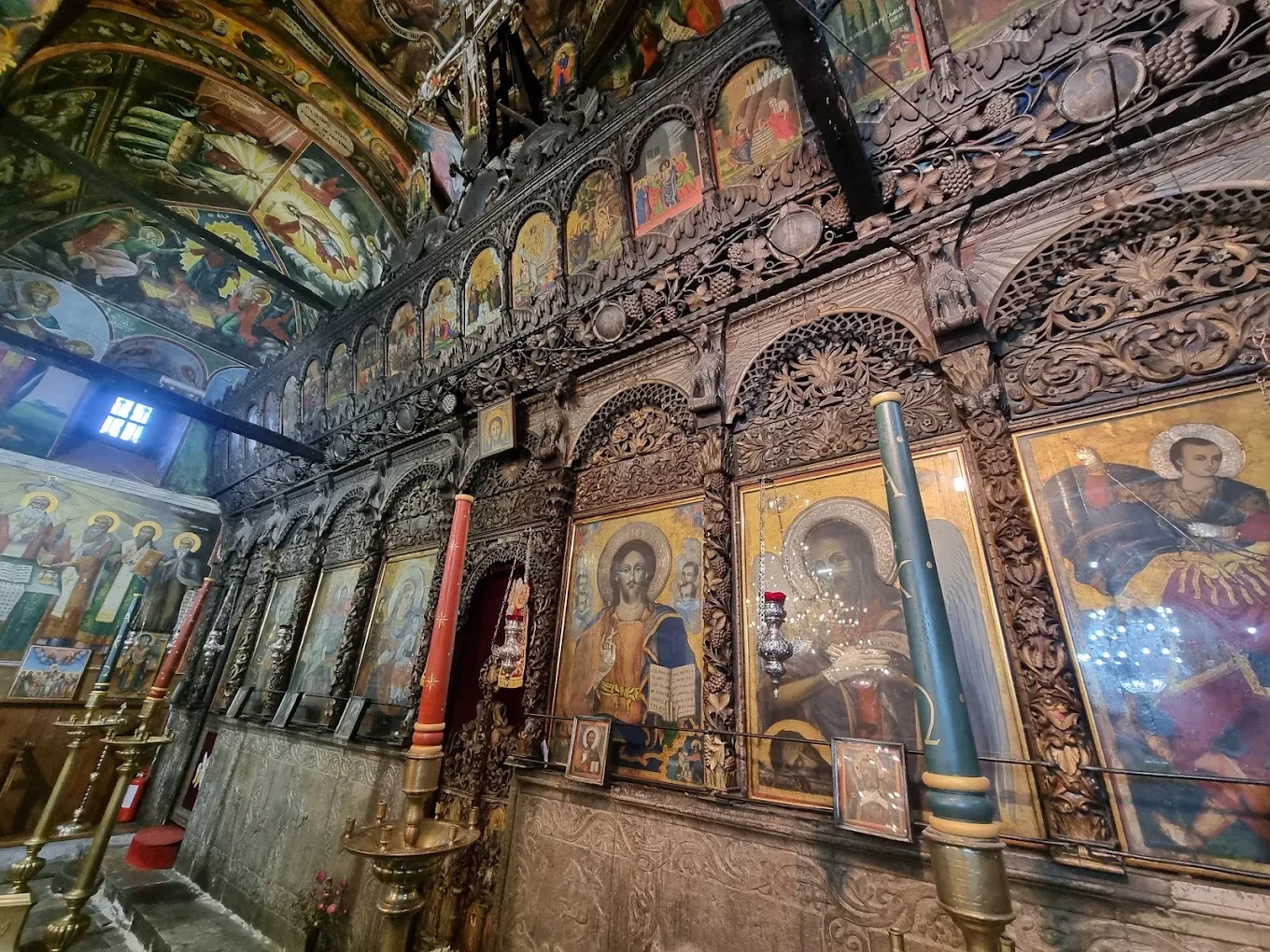
Artisans who carve furniture, icons, and ornaments, showcasing fine Balkan craftsmanship. Carved ceilings, doors and chests decorated the finest homes in town.
The most impressive example in Struga is inside the Church of St. George, where the iconostasis is covered with carved vines, leaves and figures. It is well worth a visit to see what local woodcarvers could achieve.
🛍 Where to find crafts today
- The Old Bazaar: browse the remaining craft shops and the market at the end of the street.
- Jewellers: look for silver filigree pieces made in the Ohrid–Struga tradition.
- Festivals: folk festivals are the best place to see costumes, qeleshe and traditional instruments in use.
- Young makers: local artisans are giving old crafts new life, for example with jewellery made from local sheep’s wool.
- Churches and museums: see carved iconostases and historic crafts in the town’s churches and museums.
Tips for buying crafts
- Ask about the maker: craftspeople are usually happy to explain how a piece was made.
- Buy handmade: choose locally made items over mass-produced souvenirs, and support the craftsmen who keep these traditions alive.
- Take your time: many workshops are small and family-run, so opening hours can vary.