
🏛 Places of History—Struga's Timeless Heritage
Struga is a city where history is written in stone, water, and memory. Walking through its streets and surroundings, visitors encounter monuments, houses, and sacred sites that tell stories of centuries past.
Most of the historical places are close to one another along the Black Drim, so you can see many of them on foot in a single day, then add a short trip to the lakeside villages for the cave churches and monasteries.
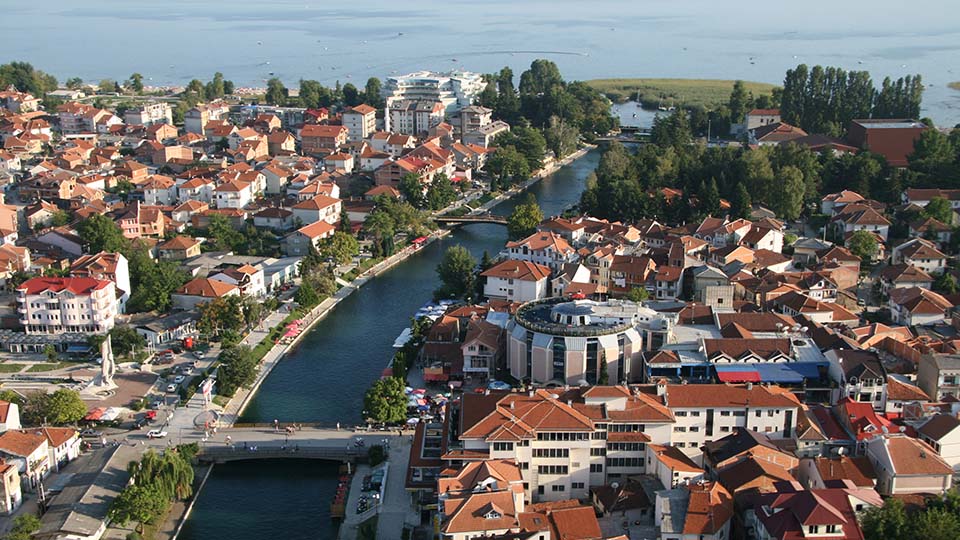
🕌 Ottoman-Era Architecture
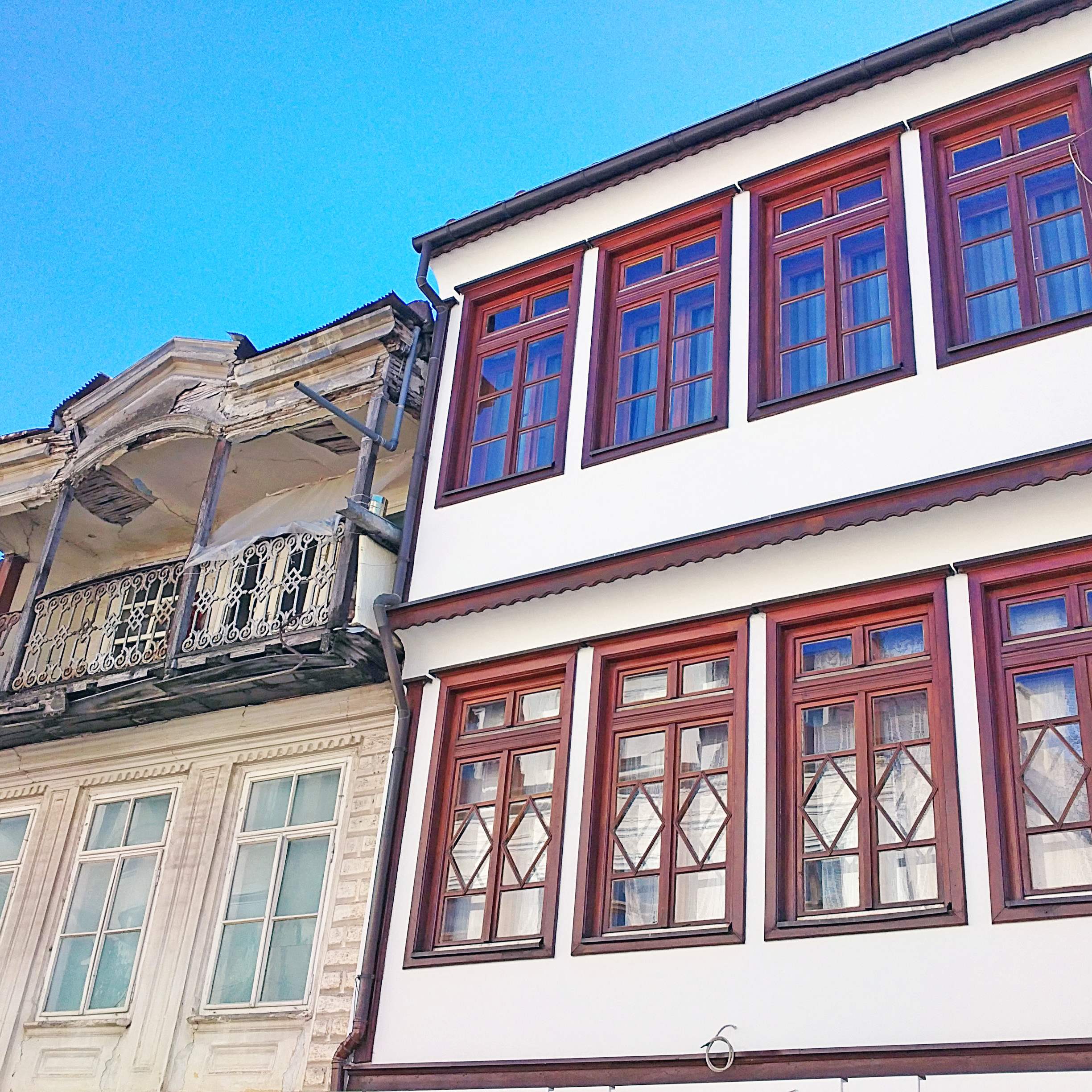
Historic houses and mosques reflect the city’s layered identity, blending Balkan tradition with Ottoman influence. Look for upper floors that project over the street, wooden window frames, carved balconies and small courtyards, details that make the old streets so photogenic.
What to look for: the contrast between whitewashed walls and dark wooden frames, the bay windows that seem to float above the pavement, and the quiet side lanes where families have lived for generations. A slow wander with a camera is the best way to explore.
📖 Memorials of Poetry
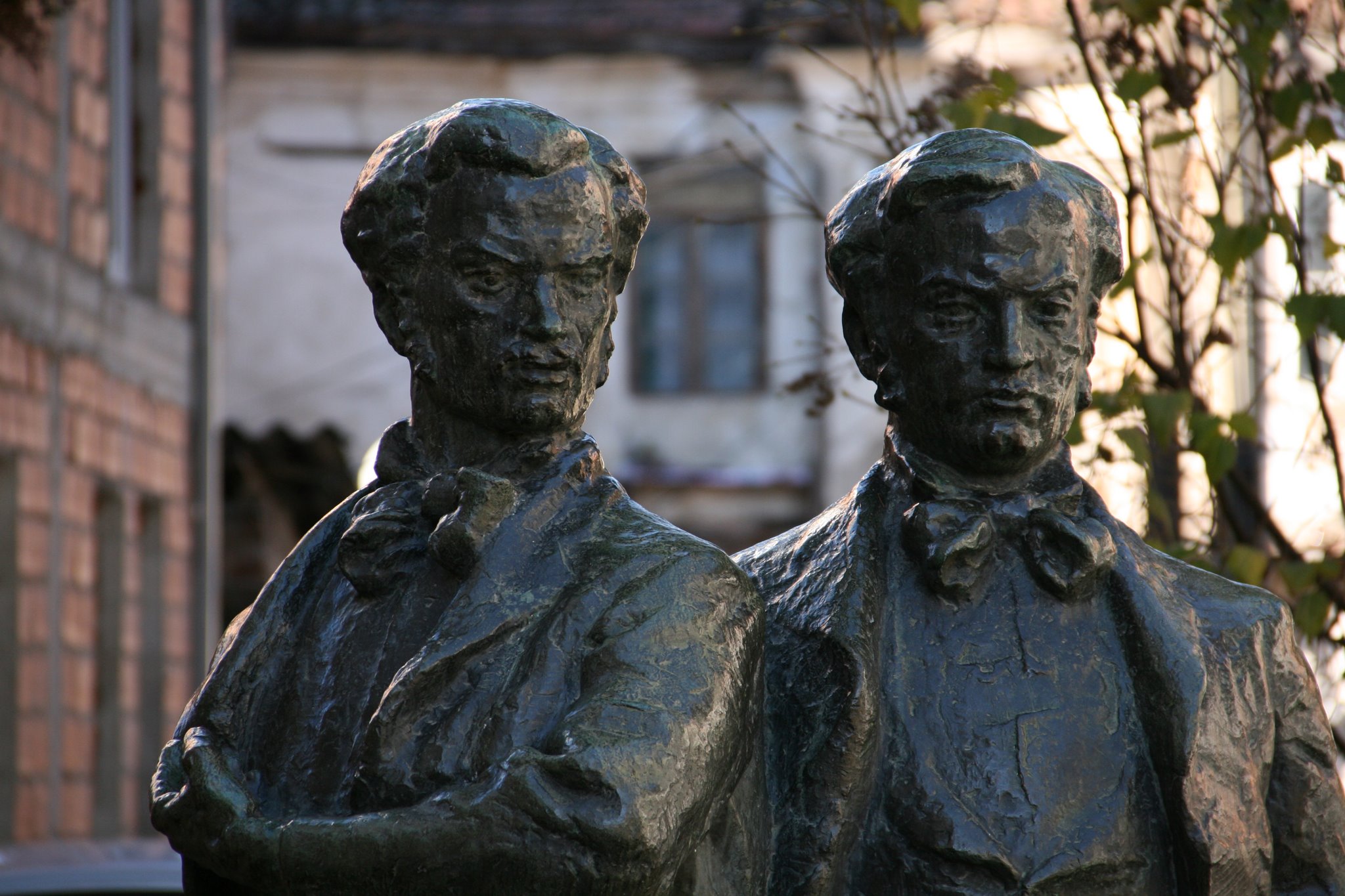
Struga’s legacy as a city of poets is preserved in monuments and cultural sites dedicated to its literary figures. The Miladinov Brothers Memorial House in the centre stands on the foundations of the family home that burned down in 1925 and hosts an exhibition about their lives and work. The Bridge of Poetry over the Black Drim is the traditional setting for the opening of the Struga Poetry Evenings.
⛪ Sacred Sites
Churches and monasteries around Struga hold centuries of faith and artistry, with frescoes and icons that remain vivid today. St George’s Church lies a short walk from the centre, while west of town the cave church of St Archangel Michael in Radožda is known for frescoes that mostly date from the 14th century. Nearby Kališta has a monastery complex and the cave Church of the Nativity of the Theotokos. Dress modestly and ask before taking photographs inside.
🏰 Archaeological Traces
Nearby ruins and ancient settlements reveal the deep roots of life around Lake Ohrid, connecting visitors to civilizations long gone. The Dr. Nikola Nezlobinski Museum, founded in 1928 by a Russian doctor who settled in Struga, includes an archaeology collection with mosaic floors from early Christian sites in nearby villages, as well as exhibits on the flora and fauna of the region.
🌉 Bridges of Memory
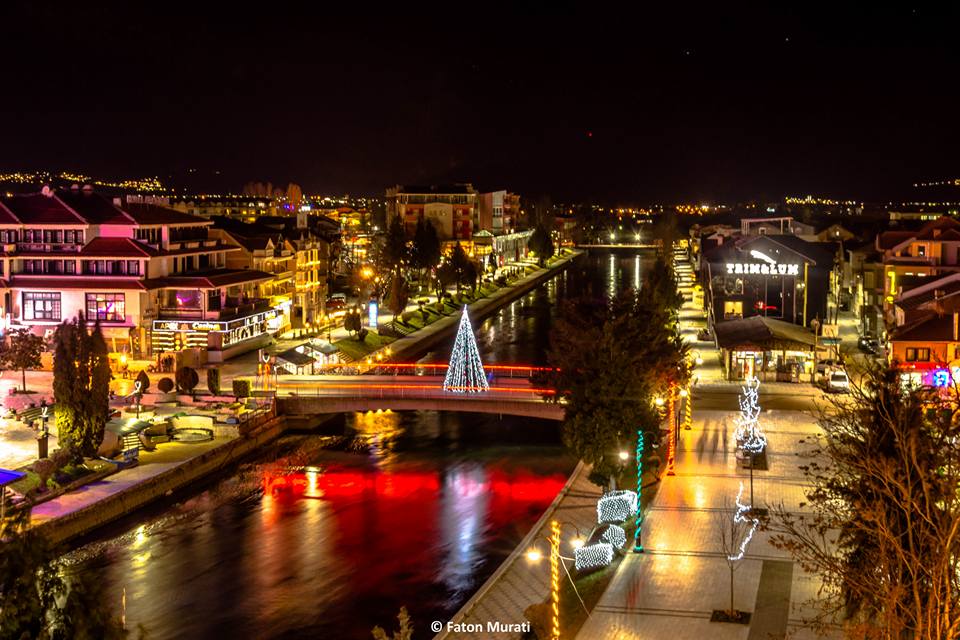
The city’s bridges across the Black Drim are more than crossings—they are symbols of connection, history, and everyday life. Cross them in the evening, when they are lit up and the river is full of reflections, and you will see why the town’s poets so often wrote about the water.
What to look for: the bridges are best seen from the riverbank, where you can watch people cross, fish or simply sit on the benches. At dusk the lights come on and the water doubles every colour, which makes this the perfect place for an evening stroll after a day of sightseeing.
🗺 A suggested historical route
- Start at the river: walk along the Black Drim and cross the Bridge of Poetry.
- Visit the Miladinov Brothers Memorial House and the monument nearby.
- Wander the old streets to see the traditional houses and nearby mosques and churches.
- Stop at the Nezlobinski Museum for archaeology, nature and early history.
- Finish with a short drive to Radožda and Kališta for the cave churches and monastery.
Visiting tips
- Check opening hours: museums and memorial houses keep their own hours, which can change by season, so confirm before you go.
- Dress respectfully: cover shoulders and knees at churches, monasteries and mosques, and remove shoes where asked.
- Ask first: some sacred sites have rules about photography.
- Go early or late: mornings and late afternoons are cooler and quieter, and the light is better for photographs.
- Take your time: look up at the rooflines and down side streets; many of the best details are off the main road.